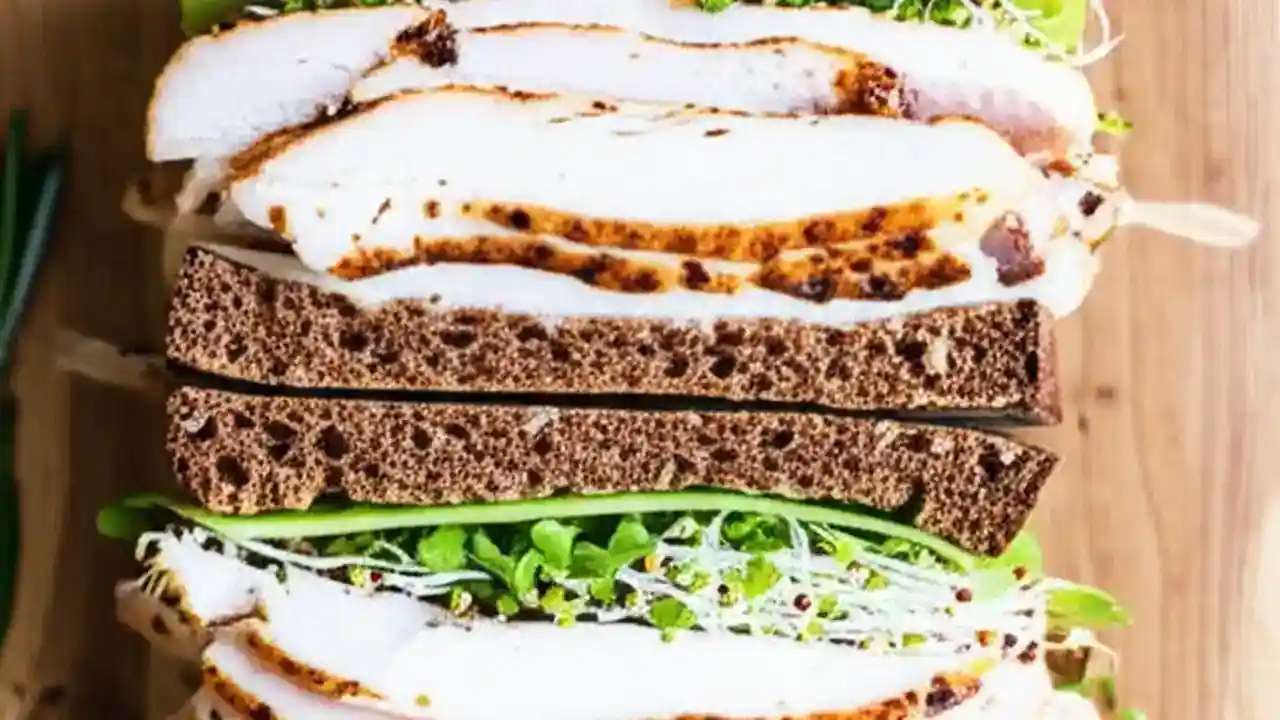
Why Choose Roasted Turkey Breast? The Smart & Savory Option
Forget the intimidation of a whole bird! Roasting a turkey breast is an absolute game-changer, especially if you're cooking for a smaller gathering, a weeknight meal, or simply prefer to keep things simple without sacrificing flavor. This method takes the pressure off, making it incredibly approachable for beginner cooks while still delivering that coveted juicy, flavorful turkey experience. You get all the deliciousness of a holiday turkey with a fraction of the effort, cost, and kitchen space.
Many home cooks find the idea of roasting a whole Thanksgiving turkey daunting, fearing a dry bird or an overwhelming cooking schedule. That's where the beauty of a roasted turkey breast shines. It’s a scaled-down, simplified solution that guarantees moist results every time. No complex brining or constant basting is required – just a few smart steps, and you’ll be rewarded with tender, succulent meat. It's the perfect way to enjoy turkey during the fall and winter months, or even for a special Sunday dinner, without committing to a massive feast. If you're looking for an effortless yet impressive meal, this is your go-to recipe. Discover more easy, moist, and flavorful options with our
Easy Roasted Turkey Breast: Moist, Flavorful, & Beginner-Friendly guide.
Bone-In vs. Boneless: Making the Right Choice
When selecting your turkey breast, you'll typically encounter two main options: bone-in or boneless. While both will yield delicious results, there are subtle differences to consider. We highly recommend a
bone-in, skin-on turkey breast for the most flavorful and juiciest outcome. The bone acts as a natural insulator, helping the meat cook more evenly and retain moisture. Bone-in breasts also tend to be larger, often sold as a half or full breast (two halves joined at the bone), making them ideal for feeding 2-4 people with potential leftovers.
Boneless turkey breasts, on the other hand, cook faster due to their smaller size and lack of bone. If opting for boneless, always choose one with the skin still attached. The skin is crucial for creating that golden, crispy exterior and for protecting the meat from drying out. Remember, cooking times will vary significantly between bone-in and boneless, so always rely on an internal thermometer rather than just timing.
How Much Turkey Breast Do You Need?
As a general rule of thumb, plan for about 1 to 1 ½ pounds of turkey breast per person. This allows for generous servings and usually provides enough for delicious leftovers. For instance, a 3-pound turkey breast will comfortably feed 2-3 adults, with enough for a next-day sandwich or wrap. If you're hosting a slightly larger gathering but still want to keep it simple, you can easily scale up by roasting two smaller breasts or one larger one. For more ideas on managing your holiday cooking, check out our guide on
Roasted Turkey Breast for Small Groups: Juicy & Effortless Holiday.
Crafting the Perfect Herb Butter: Your Flavor Foundation
The secret to an incredibly flavorful and moist roasted turkey breast lies in the magic of herb butter. This isn't just a simple seasoning; it's a strategic flavor infusion that works from the inside out, creating a protective layer and a beautiful, crispy skin.
Ingredients for Your Aromatic Herb Butter:
- ½ cup (1 stick) unsalted butter, softened: Room temperature butter is crucial for easy mixing and spreading.
- 2-3 cloves garlic, minced: Fresh garlic provides an unbeatable aromatic base.
- 1-2 tablespoons fresh herbs, finely chopped: A classic blend includes rosemary, thyme, and sage. Parsley also adds a fresh note. Feel free to customize with your favorites!
- ½ teaspoon salt: Enhances all the flavors.
- ¼ teaspoon black pepper: Adds a subtle spice and aroma.
Making and Applying Your Herb Butter:
In a small bowl, combine the softened butter with the minced garlic, chopped fresh herbs, salt, and pepper. Mix thoroughly until all ingredients are well incorporated. This herbaceous mixture is the cornerstone of your delicious turkey.
To apply, gently loosen the skin of the turkey breast. This is a critical step! Using your fingers, carefully separate the skin from the meat, creating a pocket. Take about half of your herb butter and smear it generously under the skin, spreading it evenly over both sides of the breast meat. This direct contact allows the butter to baste the meat from within as it cooks, locking in moisture and infusing deep flavor.
Next, spread the remaining herb butter all over the outside of the turkey breast, ensuring it's completely coated. This outer layer will contribute to that gorgeous golden-brown, crispy skin everyone loves. Place the prepared turkey breast in a sturdy baking dish or on a sheet pan, ideally fitted with a wire rack to allow for even air circulation.
Mastering the Roast: Step-by-Step for Supreme Juiciness
Achieving a perfectly juicy roasted turkey breast is simpler than you think, provided you follow a few key steps and, most importantly, trust your meat thermometer.
Essential Prep Steps for Success:
- Thaw Completely: Ensure your turkey breast is fully thawed before you begin. A partially frozen turkey will cook unevenly.
- Pat Dry, Thoroughly: Using paper towels, pat the turkey breast dry on all sides. This is a crucial step often overlooked! Removing surface moisture helps the skin crisp up beautifully and allows seasonings to adhere better.
- Season Liberally: Even with the herb butter, a good sprinkle of salt and pepper directly on the meat (if no butter is applied there) and over the skin before the herb butter helps build flavor.
The Roasting Process: Temperature and Timing
Preheat your oven to
325°F (160°C). This lower, consistent temperature is ideal for roasting turkey breast, allowing it to cook through without drying out the exterior too quickly.
Place your prepared turkey breast in the preheated oven. As a general guideline, roast for approximately
14-15 minutes per pound. However, this is just an estimate. The true indicator of doneness is the internal temperature.
The Golden Rule: Internal Temperature is King!
Insert an oven-safe meat thermometer into the thickest part of the turkey breast, making sure it doesn't touch any bone. You're aiming for an internal temperature of
165°F (74°C).
Pro Tip: We recommend removing the turkey from the oven just shy of 165°F – typically around
160-162°F (71-72°C). This is because of "carry-over cooking," where the meat's internal temperature will continue to rise by several degrees as it rests. Pulling it slightly early ensures it reaches the perfect 165°F without overcooking and becoming dry.
If the skin begins to brown too quickly before the turkey is cooked through, you can loosely tent it with aluminum foil.
From Oven to Table: Resting, Carving, and Serving Suggestions
The moment your turkey breast emerges from the oven, glistening and golden, it's tempting to carve right in. But patience, even for a short while, is key to achieving that perfectly juicy result.
The Golden Rule of Resting: Don't Skip It!
Once your roasted turkey breast reaches its target internal temperature, remove it from the oven, cover it loosely with aluminum foil, and let it rest for at least
15-20 minutes. This resting period is non-negotiable! During cooking, the muscle fibers contract, pushing the juices towards the center of the meat. Resting allows these juices to redistribute throughout the breast, ensuring every slice is incredibly moist and flavorful. Cutting into it too soon will cause all those precious juices to run out, leaving you with a dry bird.
Carving and Serving:
After resting, carefully transfer the turkey breast to a cutting board. Use a sharp knife to carve the breast against the grain into ½-inch thick slices. The pan drippings left in your baking dish are a treasure! You can use them to make a quick, flavorful gravy or simply spoon them over the carved turkey for added moisture and taste.
This succulent oven-roasted turkey breast pairs beautifully with classic side dishes, making it perfect for a scaled-down holiday celebration or a comforting family dinner. Consider serving it alongside:
- Creamy Mashed Potatoes
- Fluffy Homemade Rolls
- Savory Stuffing or Dressing
- Sweet Potato Casserole
- Cranberry Sauce
- Steamed Green Beans or Roasted Asparagus
Pro Tips for Turkey Breast Perfection & Troubleshooting
Even with a simple recipe, a few insider tips can elevate your roasted turkey breast from good to absolutely unforgettable.
Achieving That Coveted Crispy Skin:
The key to crispy skin lies in removing as much moisture as possible before roasting and having sufficient fat. Patting the turkey vigorously dry with paper towels is the first step. The herb butter, with its high-fat content, then helps the skin crisp and brown beautifully. If your skin isn't as crispy as you'd like in the last 10-15 minutes of cooking, you can briefly increase the oven temperature to 400°F (200°C) or even use the broiler for a minute or two (watch carefully!) to achieve that perfect crunch.
Preventing Dryness: The Thermometer is Your Best Friend:
The most common culprit for dry turkey is overcooking. Investing in a reliable meat thermometer is the single most important step you can take to prevent this. Don't rely solely on visual cues or a pop-up timer; these are often inaccurate. An instant-read digital thermometer is invaluable here, giving you an accurate reading in seconds. Remember to pull the turkey just shy of 165°F to account for carry-over cooking.
Flavor Variations to Keep Things Exciting:
While our herb butter is fantastic, don't hesitate to experiment!
- Citrus Twist: Add a tablespoon of lemon or orange zest to your herb butter. You can also place lemon or orange slices in the pan around the turkey.
- Spicy Kick: Incorporate a pinch of red pepper flakes or a dash of smoked paprika into the butter.
- Mustard Rub: Before applying the herb butter, spread a thin layer of Dijon mustard directly onto the turkey for an added tangy dimension.
Making the Most of Leftovers:
One of the best parts about roasting a turkey breast is the delicious leftovers! Repurpose your cooked turkey into:
- Classic Turkey Club Wraps or sandwiches
- Hearty Turkey Cranberry Almond Wraps
- A flavorful turkey pot pie
- Light and refreshing turkey salads
- Quick turkey tacos or quesadillas
Transforming your leftover turkey ensures that no delicious morsel goes to waste and provides easy meals for days to come.
Conclusion
Roasting a perfectly juicy turkey breast doesn't have to be a daunting task reserved only for experienced chefs or holiday feasts. With these pro tips, the magic of herb butter, and the precision of a meat thermometer, you can confidently create a tender, flavorful, and moist roasted turkey breast that will impress everyone at your table. Whether you're cooking for a cozy dinner or a smaller gathering, this simplified approach delivers all the beloved taste and aroma of turkey without the fuss. So go ahead, unlock the secret to turkey perfection, and savor every succulent bite!